GDPR
6 posts tagged with “GDPR”
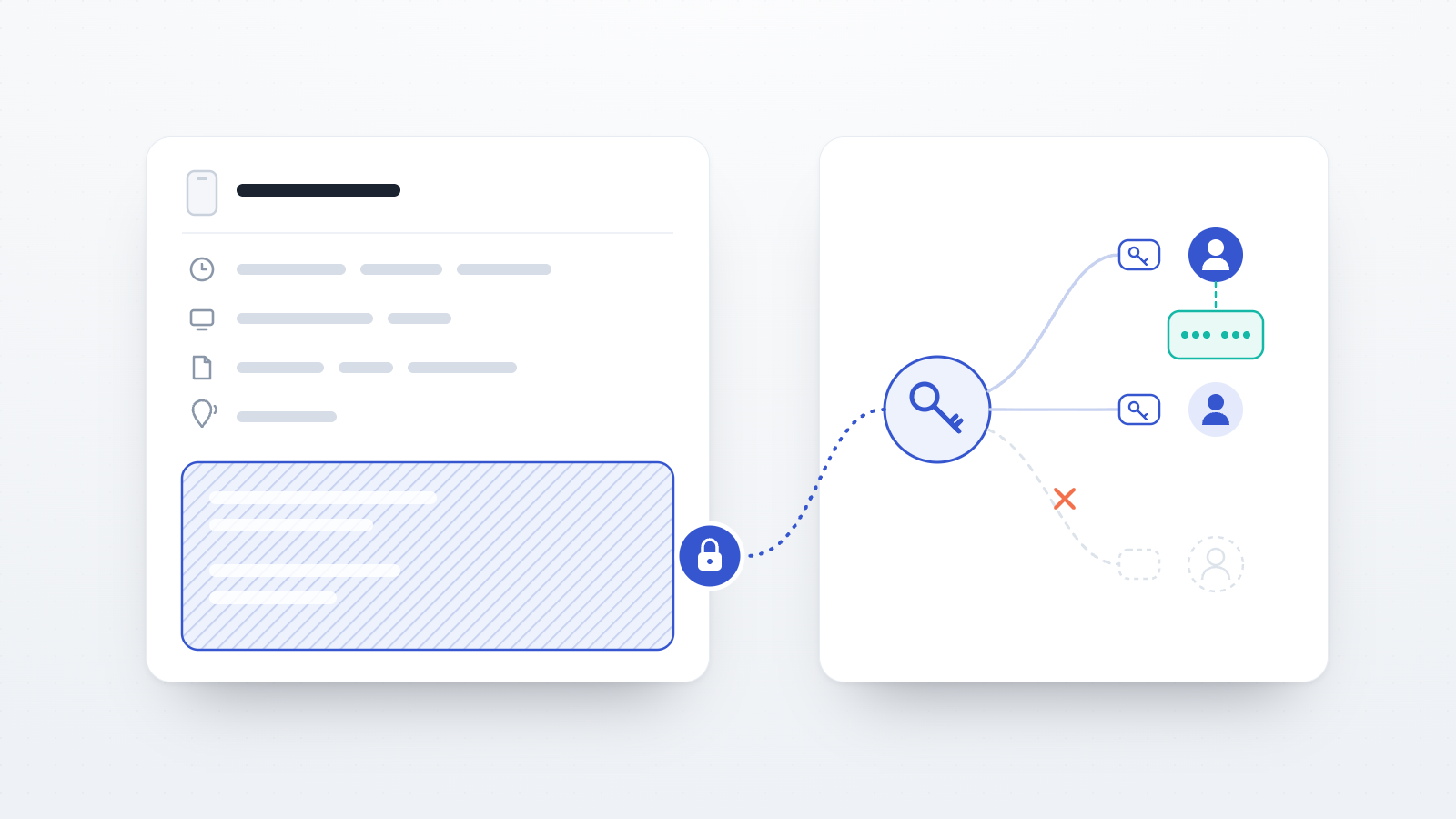
Three encryption options for ESM data: key custody and what each choice means in practice
A SMAAT study can use end-to-end encryption, server-side encryption or a self-managed study key. The options differ in who holds the key, who can read the data, which features work, and what happens when a key is lost. This post sets out each option and what a data management plan or ethics application should state about it.
October 19, 2026
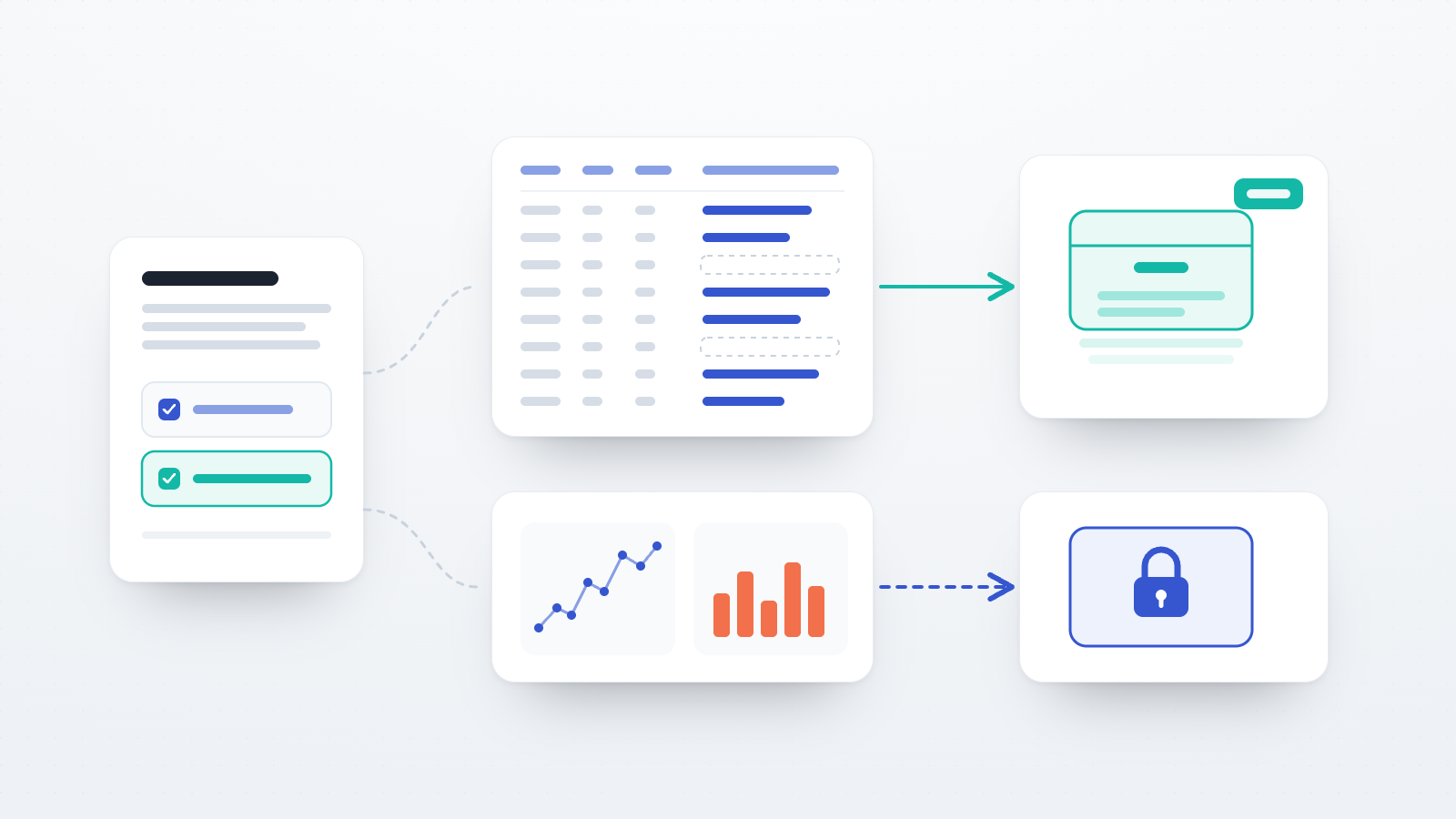
Open ESM datasets and FAIR sharing: what ambulatory researchers need to plan for
openESM brings 60 openly available experience-sampling datasets together in one harmonised format, and its contribution guide shows what a reusable dataset needs. Much of that is settled before data collection: the consent wording, which sensors run and at what precision, and what the export keeps. A planning guide for smartphone ESM studies.
October 12, 2026
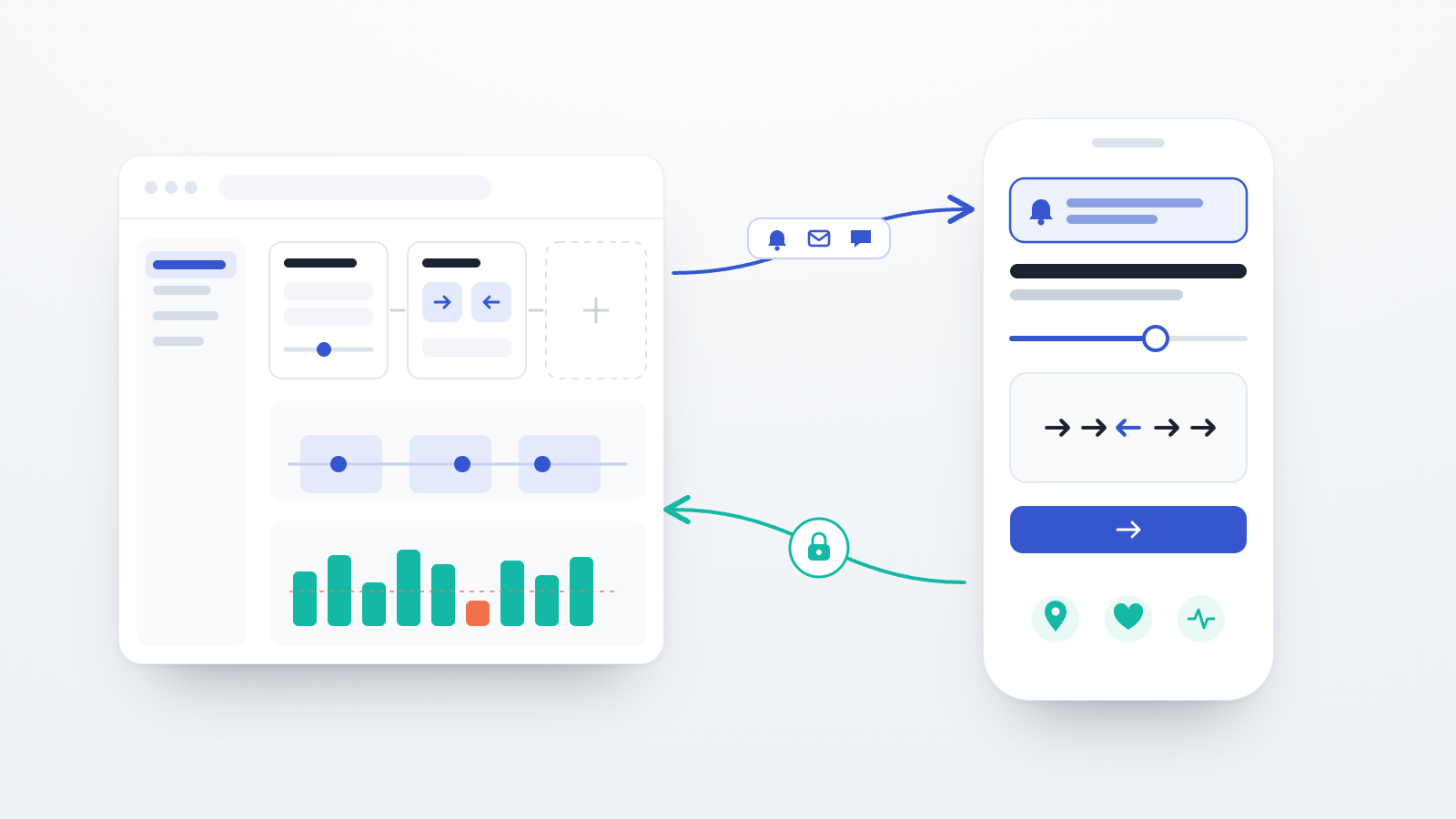
What SMAAT is: a one-page overview of the platform
SMAAT is a research platform for smartphone studies. Researchers design a study in a web portal, and participants take part through an iOS or Android app that collects survey answers, cognitive-task data and sensor data. This overview covers what a study can contain, how prompts are scheduled, how data are encrypted and hosted, and what the platform does not currently do.
October 5, 2026
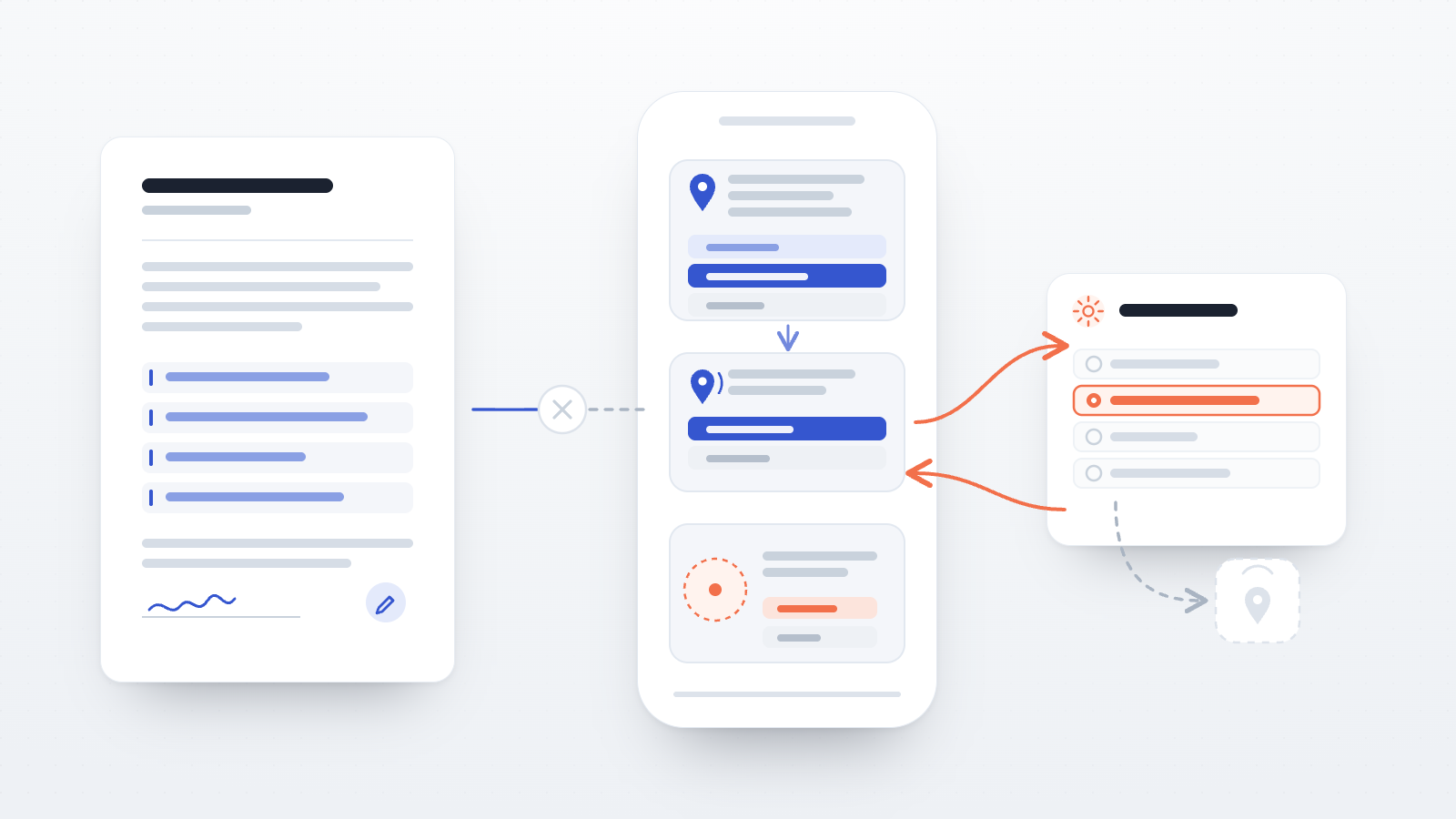
What your ethics board will ask about smartphone sensor data
Background location and health-sensor collection raise ethics questions that questionnaire templates do not prepare you for: what runs continuously, what the phone's permission prompts actually say, what happens when a participant revokes access, and why each stream needs the resolution you chose. Seven questions committees ask, and what a usable answer looks like.
September 7, 2026

Geofenced experience sampling: what location-triggered prompts can and can't do
Location-triggered prompts let you sample experience where it happens — but continuous location tracking has real costs in battery, accuracy, and privacy. A plain-language guide to when geofenced sampling is the right design, when it isn't, and what to check before you build a study around it.
June 8, 2026
A GDPR-compliant checklist for mobile research data collection
Twelve checks to run before launching a mobile research study with EU participants — from lawful basis to data-subject rights.
April 6, 2026