Blog
Research insights, ESM/EMA tutorials, and practical guides for smartphone-based studies.
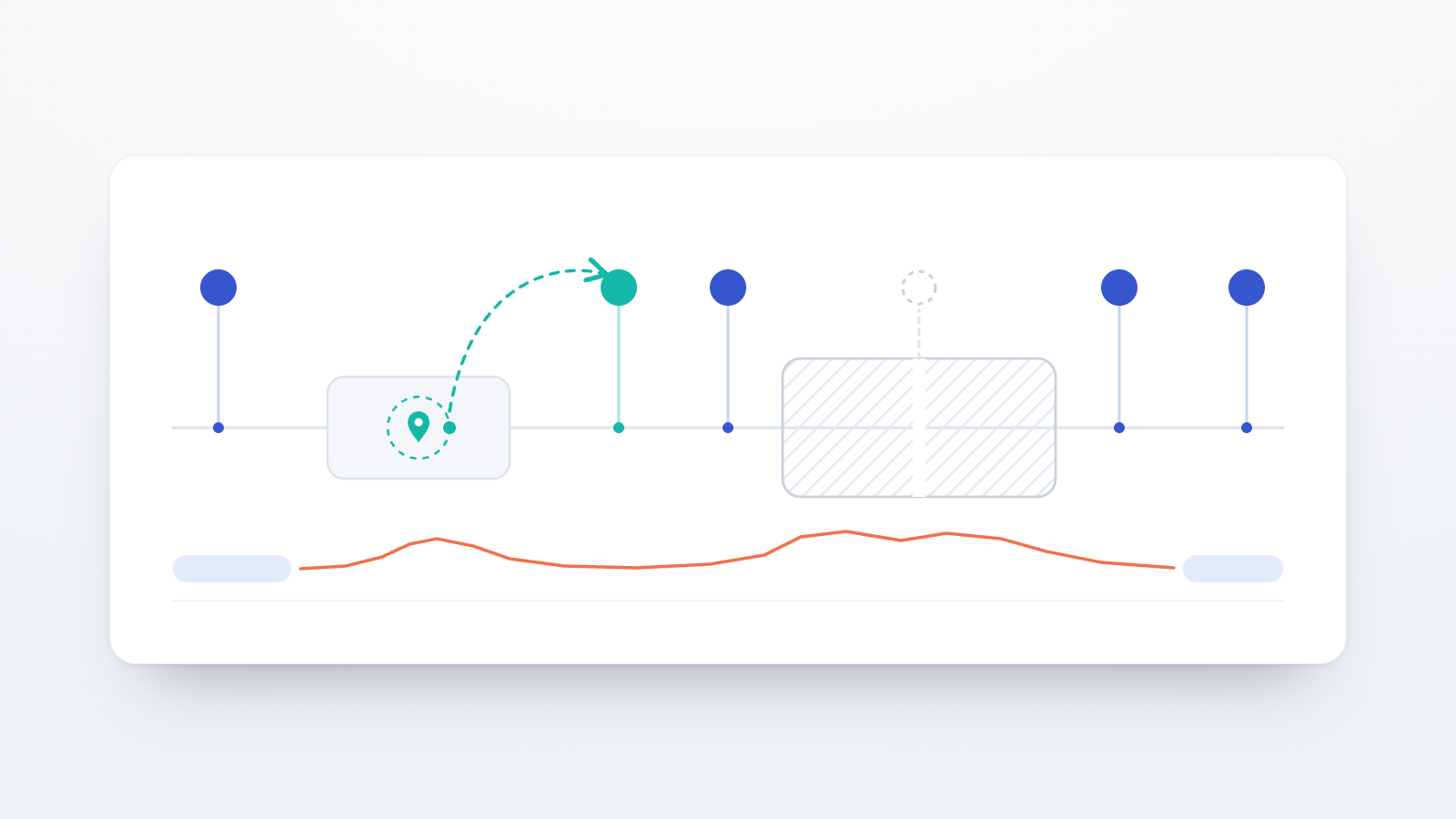
ESM in sport psychology: what the research record shows, and what the infrastructure still lacks
A 2026 scoping review found 73 experience-sampling studies in sport psychology, most of them daily diaries timed around training rather than during it, and 28 of them on paper booklets. This post summarises what the review found and what its gaps imply for the tools used to collect the data.
September 14, 2026
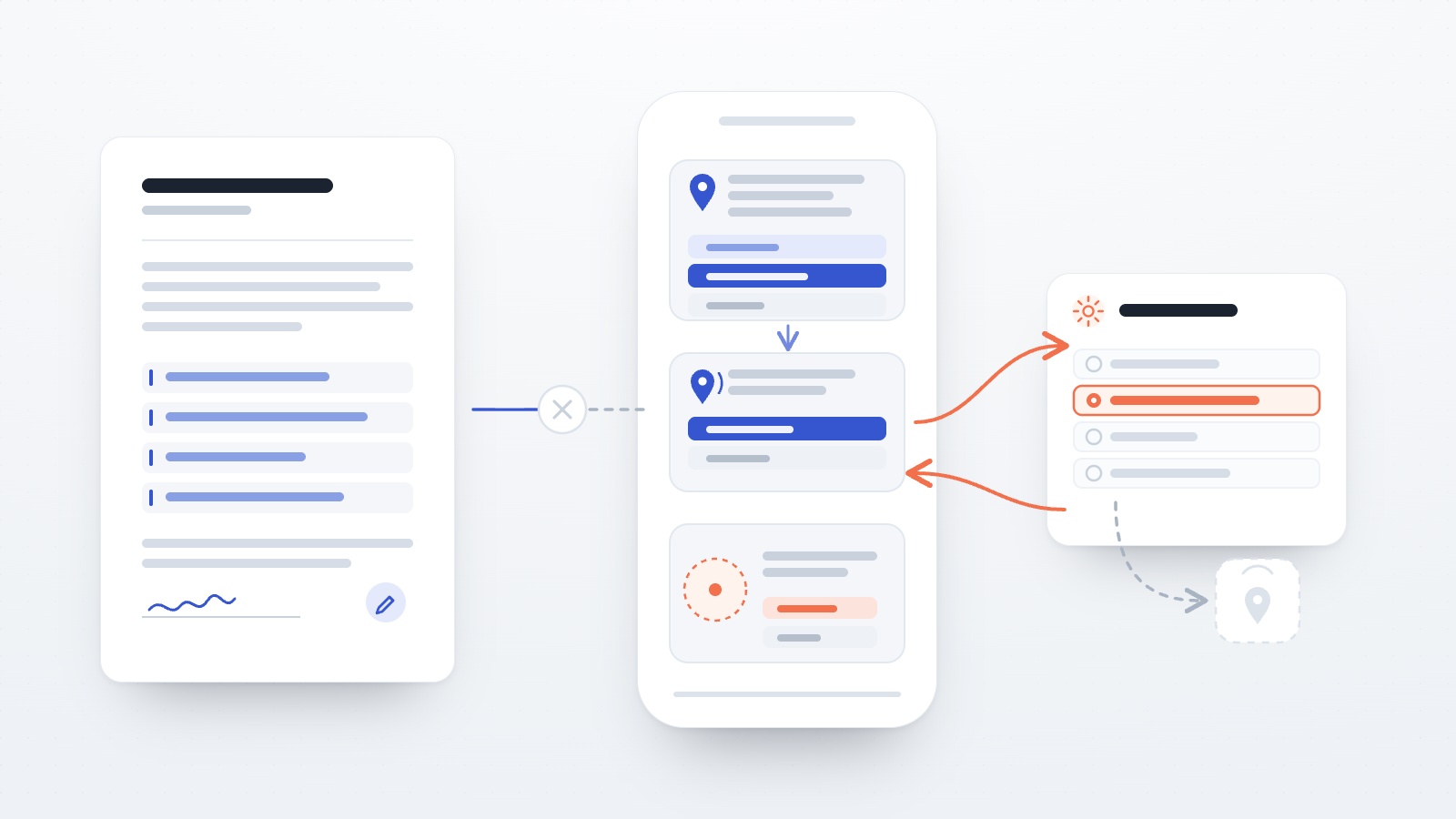
What your ethics board will ask about smartphone sensor data
Background location and health-sensor collection raise ethics questions that questionnaire templates do not prepare you for: what runs continuously, what the phone's permission prompts actually say, what happens when a participant revokes access, and why each stream needs the resolution you chose. Seven questions committees ask, and what a usable answer looks like.
September 7, 2026
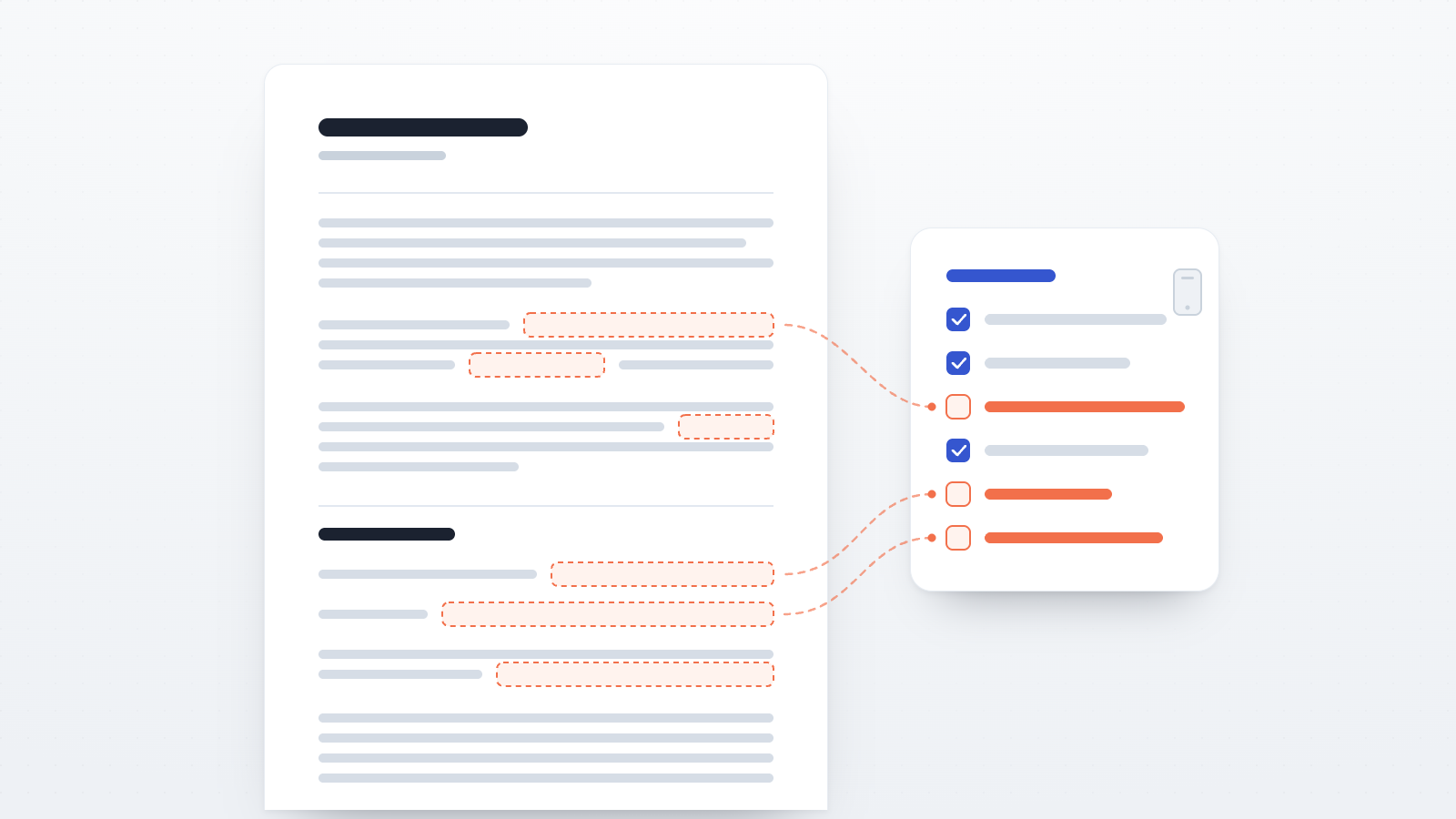
Reporting a smartphone study: what STROBE-GEMA asks for and how to structure the methods section
STROBE-GEMA is a reporting checklist for studies that pair momentary self-reports with location data. Its 70 items name the details that mobile-study methods sections most often omit — how prompts were scheduled and delivered, what device and app were used, how many prompts were planned versus received versus answered, and which data are missing and why. This post walks through the checklist in the order a methods section is written, and ends with a template and a pre-submission check.
August 31, 2026
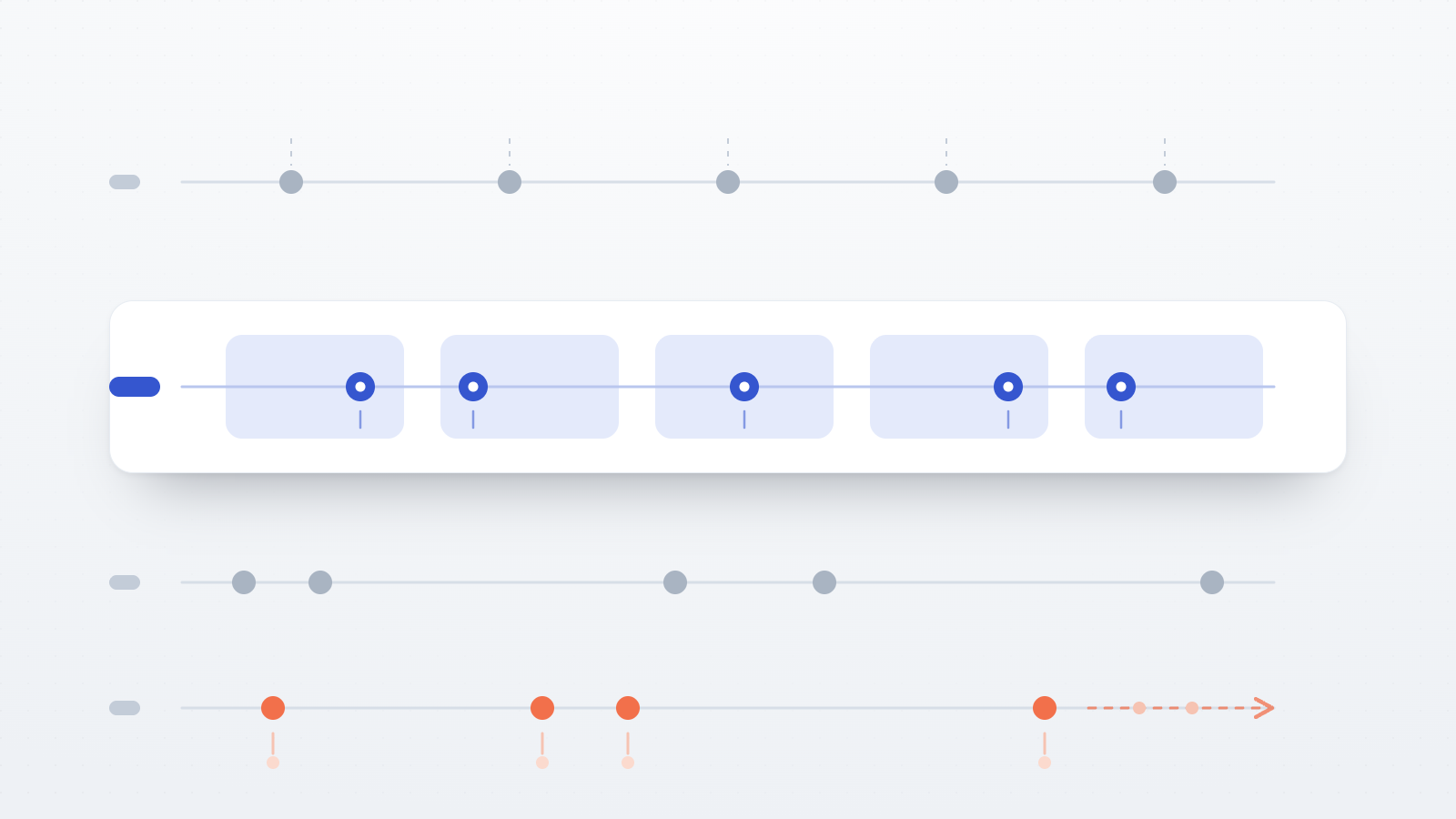
What a review of 162 experience-sampling studies shows about current practice
A systematic review published in Advances in Methods and Practices in Psychological Science extracted methodological detail from 162 experience-sampling studies published in a single year. The picture it produces is one of wide variation in design choices and uneven reporting, with sample-size justification and missing-data handling the weakest points. Here is what the numbers say and what they imply for a protocol being written now.
August 24, 2026
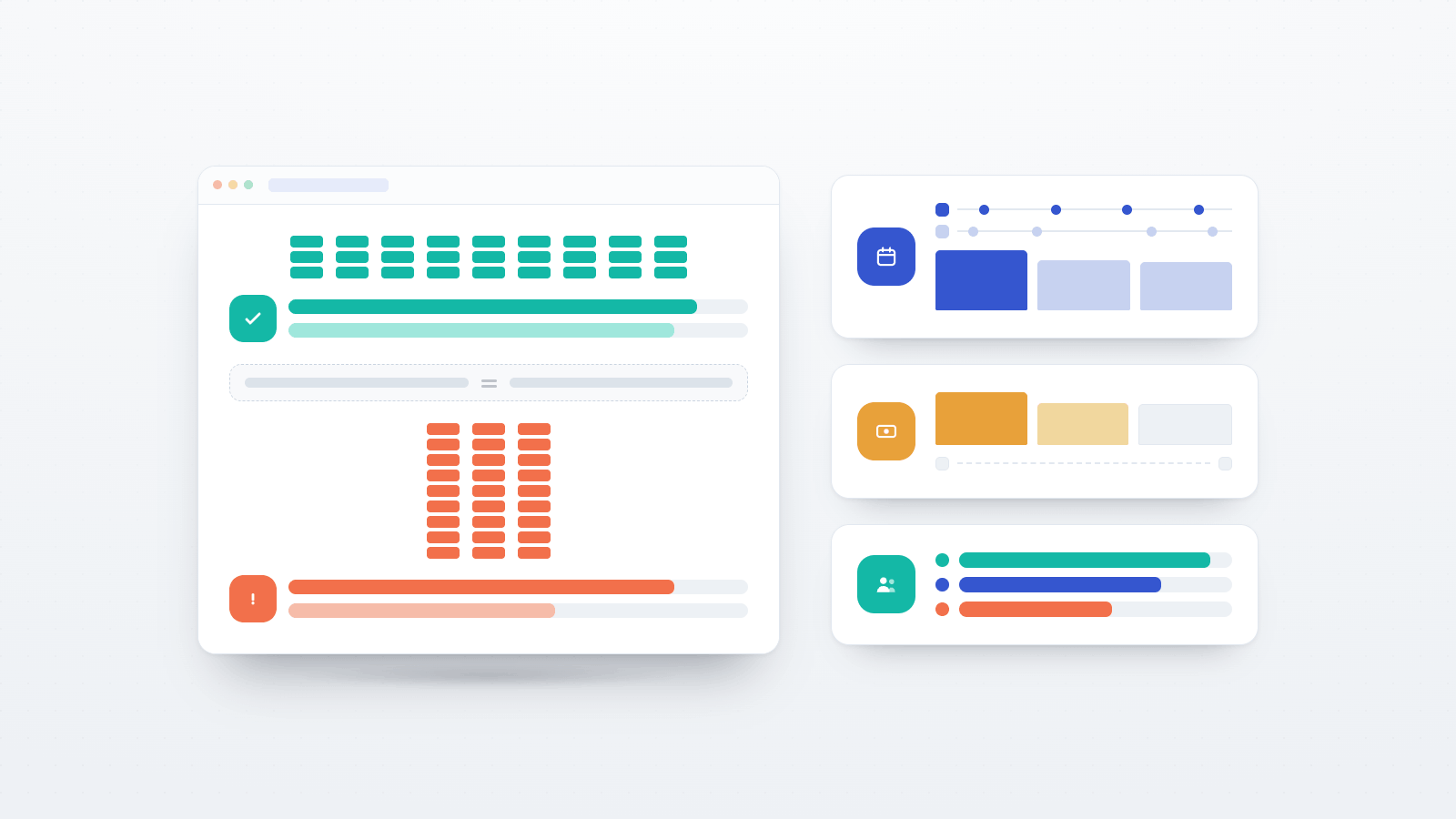
Prompt frequency, questionnaire length, and study duration: the design trade-offs that shape ESM data quality
Three upstream design choices determine how much burden an ESM participant carries and how much usable data a study produces: how many prompts arrive per day, how many items each prompt asks, and how many days the protocol runs. This post reviews what the evidence says each choice costs and buys — including the experimental finding that questionnaire length, not sampling frequency, is what degrades data quality — and covers the response window as a fourth, separate decision.
August 17, 2026

Why ESM studies need open-ended responses alongside numeric ratings
Numeric rating scales dominate experience sampling, but they cannot capture context, idiosyncratic meaning, or a participant's own account of what caused a mood shift. A 2026 position paper by Bringmann and colleagues makes a systematic case for reintegrating open-ended text responses — here is what the argument rests on, what it costs in burden, and what it requires in consent and analysis.
August 3, 2026
Power analysis for intensive longitudinal designs
Why standard G*Power calculations underpower ESM studies, and how to think about effective sample size when each participant contributes many observations.
July 13, 2026

Notification schedules that don't burn out participants
The five schedule types, when each is appropriate, and the parameters that determine whether your participants are still engaged on day 10.
June 29, 2026

Geofenced experience sampling: what location-triggered prompts can and can't do
Location-triggered prompts let you sample experience where it happens — but continuous location tracking has real costs in battery, accuracy, and privacy. A plain-language guide to when geofenced sampling is the right design, when it isn't, and what to check before you build a study around it.
June 8, 2026
Comparing ESM platforms in 2026: SMAAT, Avicenna, ExpiWell, Samply, MetricWire
An honest, factual comparison of the major mobile ESM platforms in 2026 — features, pricing, and where each fits best.
May 25, 2026
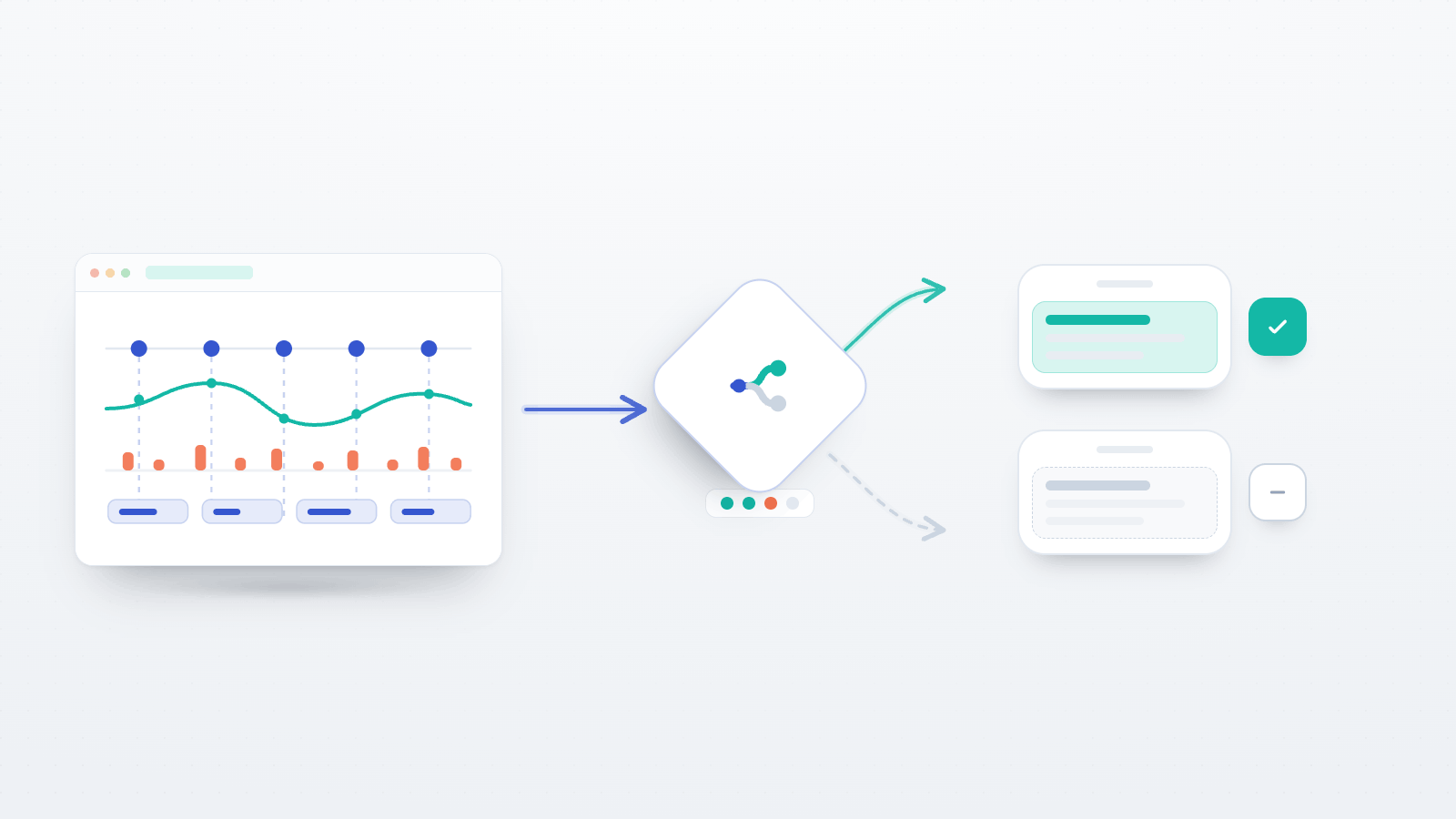
From experience sampling to just-in-time adaptive interventions: what the protocol has to specify
A just-in-time adaptive intervention asks four things of a study design that a standard experience-sampling protocol never has to answer: when the adaptive logic runs, what data informs each decision, what rule turns that data into action, and how receptivity is measured. This post works through each requirement, defines the terms, and sets out what each one demands of the SMAAT platform underneath.
May 18, 2026
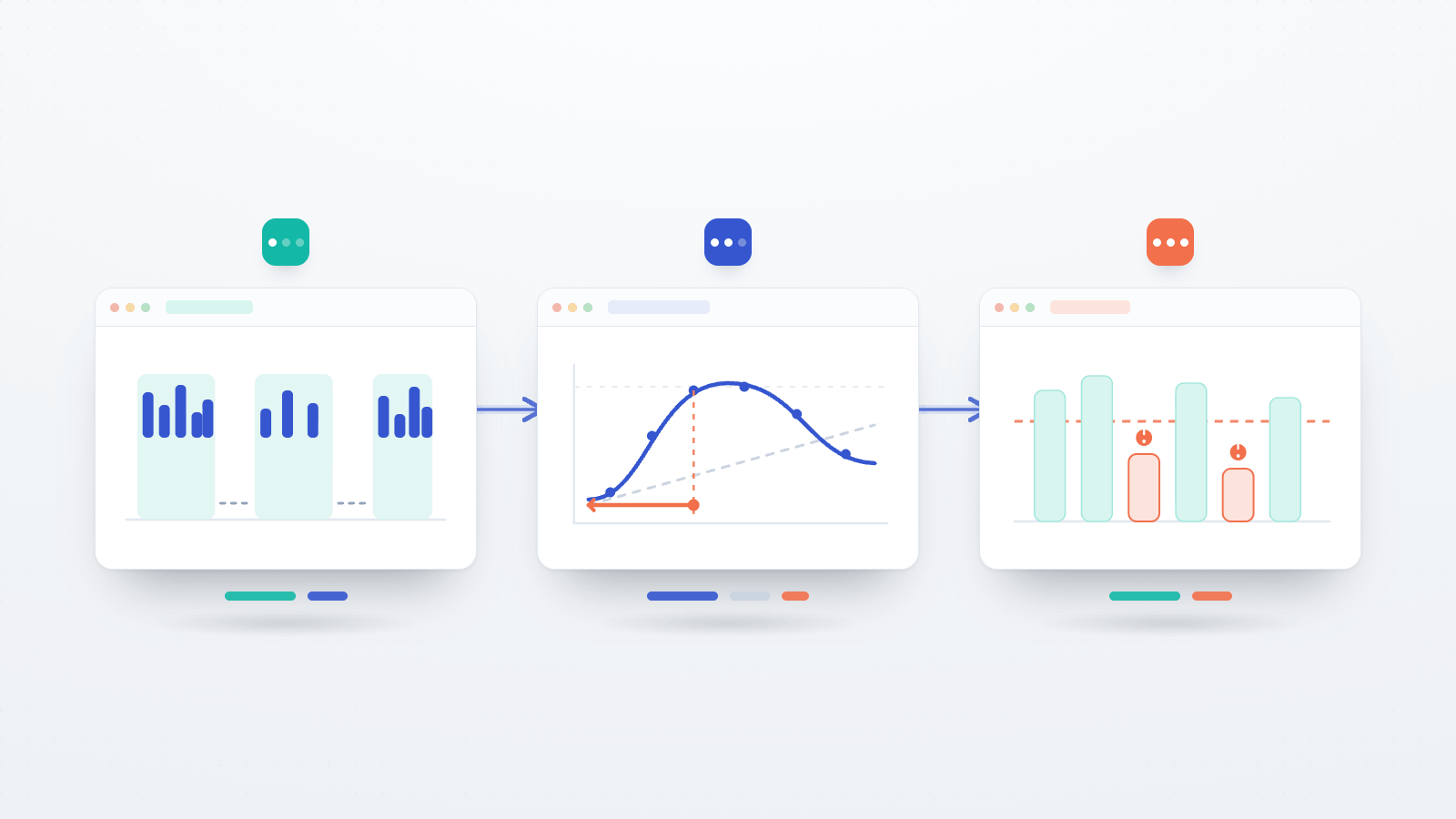
What the latest ESM methodology review says, and what it means for study design
A 2026 review in the British Journal of Mathematical and Statistical Psychology summarises recent developments in experience sampling methodology across three levels: design, statistical analysis, and implementation. This post goes through each level and states what it implies for a protocol that is still being written.
May 11, 2026
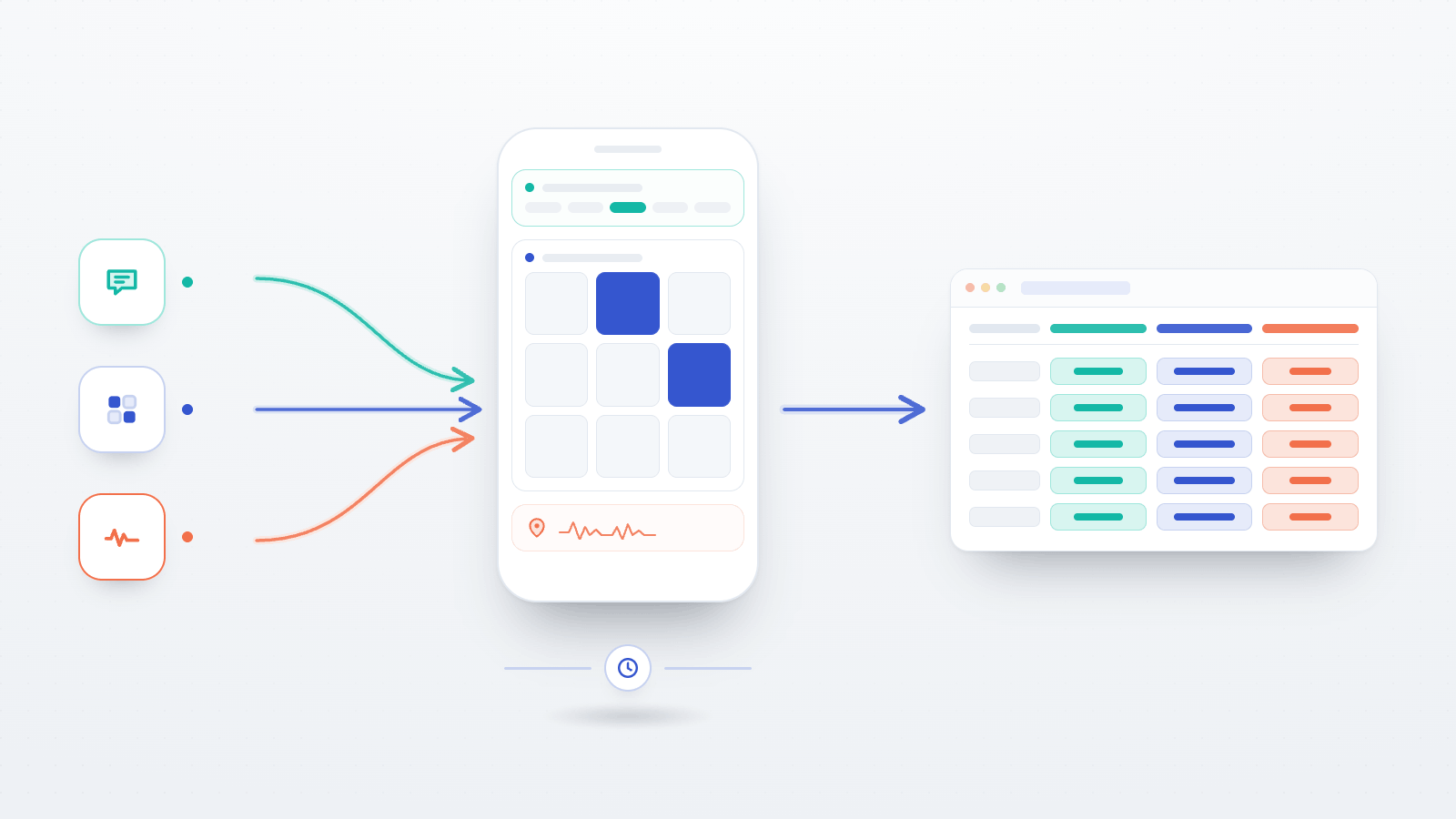
Running cognitive tasks inside an EMA protocol
Embedding cognitive tasks in the same native app as EMA prompts removes enrolment friction, timestamp misalignment, and split data exports — but device variability, touchscreen timing constraints, practice effects, and the reliability properties of brief sessions are limits that apply to the method regardless of platform.
May 4, 2026

The Open Handbook of Experience Sampling has a third edition — and a whole chapter on choosing your tool
The field's standard step-by-step guide to experience sampling was re-released in April 2026, free to download, with every chapter updated and a new one on studying couples in daily life. Its platform chapter is a tool-agnostic checklist worth reading before you commit to any app — here's what it says, and how a smartphone platform like SMAAT reads against it.
April 27, 2026
EMA vs ESM vs DRM: which intensive-longitudinal method when
ESM, EMA, and DRM are often used interchangeably but answer different questions. A practical decision guide.
April 13, 2026
A GDPR-compliant checklist for mobile research data collection
Twelve checks to run before launching a mobile research study with EU participants — from lawful basis to data-subject rights.
April 6, 2026
How to recruit participants for diary studies — 10 tactics that work
Practical recruitment tactics for ESM and diary studies, ranked by yield per hour of researcher time.
March 23, 2026
Adding cognitive tasks to an ESM study: what to use, when, and how
Cognitive tasks turn a survey-only ESM study into a richer behavioural assay. A practical guide to common tasks and when to add them.
March 16, 2026
Designing your first experience-sampling study: a step-by-step guide
A practical guide to scoping, designing, and validating your first ESM/EMA study — from research question to pilot.
March 2, 2026
Compliance monitoring in ambulatory-assessment studies — a practical playbook
How to monitor compliance in real time, what thresholds matter, and when to intervene with low-compliers before your study is unrecoverable.
February 23, 2026

Five EMA study templates you can clone today: mental health, sleep, social, behavioural economics, cognition
Five peer-reviewed-style EMA templates available in SMAAT, with the design decisions behind each.
February 16, 2026
A lab's-eye guide to setting up SMAAT in 30 minutes
From account creation to your first study published, in half an hour — using SMAAT's free tier.
February 2, 2026