Passive Sensing
4 posts tagged with “Passive Sensing”
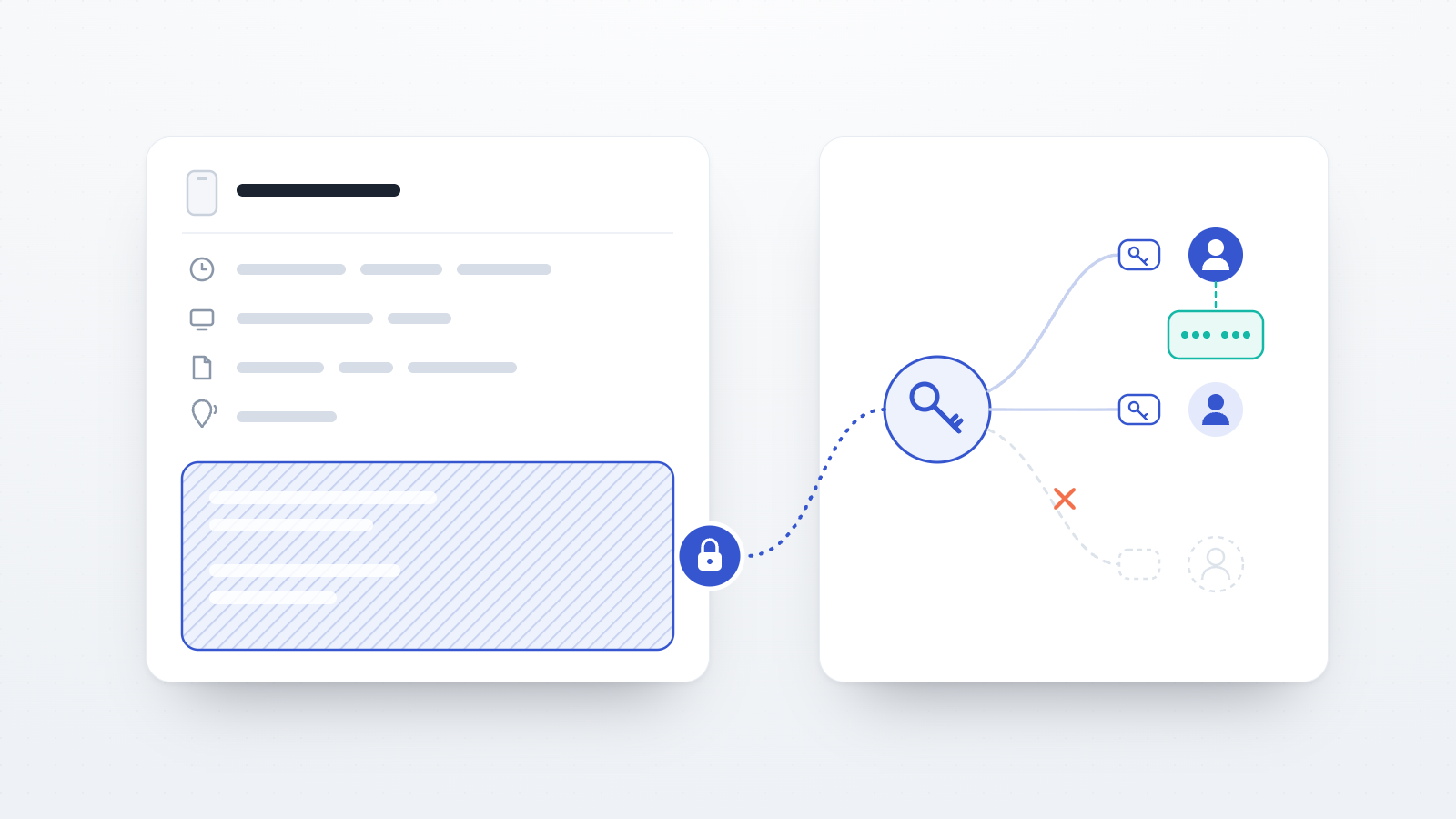
Three encryption options for ESM data: key custody and what each choice means in practice
A SMAAT study can use end-to-end encryption, server-side encryption or a self-managed study key. The options differ in who holds the key, who can read the data, which features work, and what happens when a key is lost. This post sets out each option and what a data management plan or ethics application should state about it.
October 19, 2026

What SMAAT is: a one-page overview of the platform
SMAAT is a research platform for smartphone studies. Researchers design a study in a web portal, and participants take part through an iOS or Android app that collects survey answers, cognitive-task data and sensor data. This overview covers what a study can contain, how prompts are scheduled, how data are encrypted and hosted, and what the platform does not currently do.
October 5, 2026

What your ethics board will ask about smartphone sensor data
Background location and health-sensor collection raise ethics questions that questionnaire templates do not prepare you for: what runs continuously, what the phone's permission prompts actually say, what happens when a participant revokes access, and why each stream needs the resolution you chose. Seven questions committees ask, and what a usable answer looks like.
September 7, 2026

The Open Handbook of Experience Sampling has a third edition — and a whole chapter on choosing your tool
The field's standard step-by-step guide to experience sampling was re-released in April 2026, free to download, with every chapter updated and a new one on studying couples in daily life. Its platform chapter is a tool-agnostic checklist worth reading before you commit to any app — here's what it says, and how a smartphone platform like SMAAT reads against it.
April 27, 2026